The German Judges Meeting is well established. Hosted by the German Patent and Trade Mark Office (DPMA), it took place for the eighth time on 24 October in Munich. Again, it was a mutual project of MARQUES in conjunction with the German Trade Mark Association (Markenverband) and the DPMA.
The event was well attended with more than 80 delegates from law firms, industry, the DPMA and the German Federal Patent Court.
The audience was welcomed by Eva Schewior, the president of the DPMA, by Julia Hentsch from Markenverband and by Leo Longauer, Vice President of MARQUES who invited the delegates to a programme with a wide scope of topics.
In the first session, Stephanie Zöller from Hamburg Court of Appeals gave an overview on the case law, discussing the relationship between trade-mark protection on one hand and the constitutional protection of artworks and free speech on the other hand. While this topic initially had been chosen in expectation of a CJEU ruling in the IKEA case, even the cases presented by Mrs Zöllner gave a guidance on the necessary demarcation between a lawful exception to trade mark protection and the abuse of constitutional rights which is on the agenda in IKEA as well.
The second topic addressed the new role of the General Court after the restriction of appeals in trade mark cases to the Court of Justice. Dominik Hanf from EUIPO presented a convincing selection of judgments which evidenced that the General Court must be seen as a developer of European trade mark law simply because of the guidance from cases with more of a general interest than just the answer to bilateral disputes between two trade mark owners.
Next, Georg Baumann from the Munich Court of Appeals took a closer look into the relationship between trade marks and geographical indications. Still, Windsurfing Chiemsee, a case closely related to Munich, is always the starting point of any ruling in this area. The recent judgment in Iceland from the General Court, however, raises questions about the remaining space for new trade mark registrations with a geographical background.
After lunch, Senta Bingener from the DPMA took a (very) deep look into the perception of the public as an omnipresent topic in trade mark disputes, which however appears as a moving target of somewhat unclear features. Her "deconstructive" approach showed that the role of the perception of the public indeed must be seen differently in different scenarios and that it is worth taking more care with this topic as there is a harvest which justifies the effort.
Next, the audience was immediately captured by one of the "hottest" topics in European trade mark law, which is the impact of weak trade mark elements on the assessment of the risk of confusion. Christian Meiser from the Federal Patent Court outlined the respective case law in a very entertaining and knowledgeable manner - clearly a takeaway for many of the attendees.
The final speech was given by Carsten Kortbein, also from the Federal Patent Court. At first glance, his topic, later changes in trade mark filings, looked rather peculiar. However, the cases which he presented then clearly showed a gap in our laws which, once such a case occurs, is not easy to close.
After each two sessions the audience was invited to discussions and this opportunity was well received. After a day of full of inspirations, the closing remarks again from Eva Schewior, Julia Hentsch and Leo Longauer had one common ground: Even after more than 35 years of existence, European trade mark law is still "hot" and always able to serve new insights or questions which remain to be answered. The German Judges Meeting has become one of the forums to share this experience between judges and practitioners.
Photo: MARQUES Internal Relations Officer Ingrid De Groot
 Issue 179

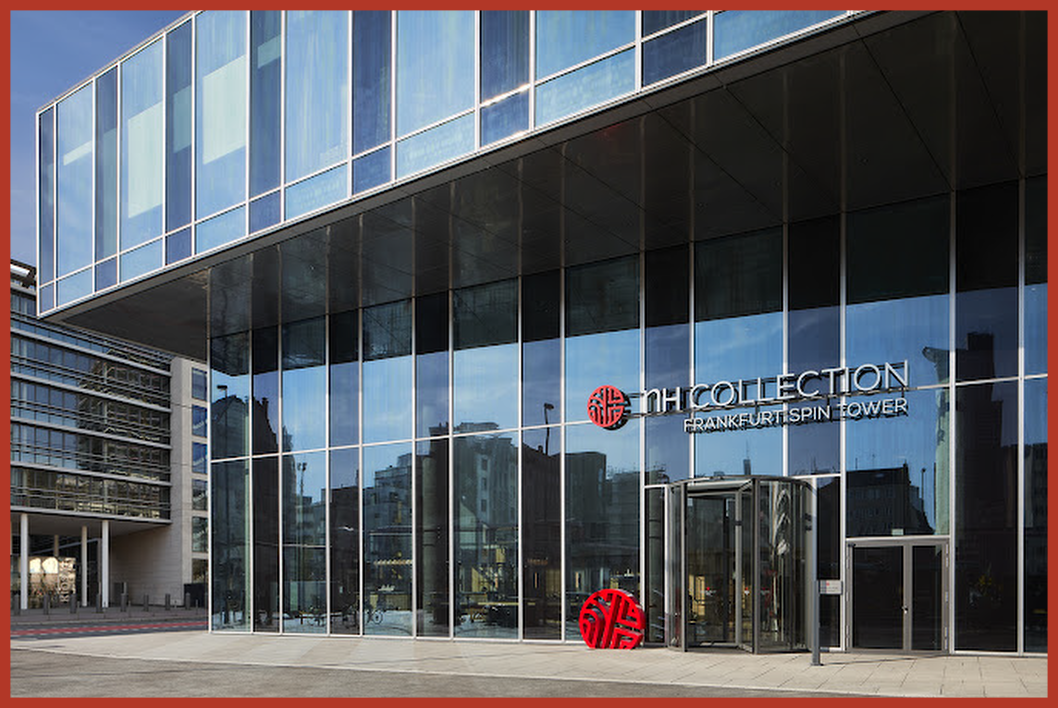 The first MARQUES Design Symposium takes place in Frankfurt, Germany on 29 and 30 January 2026
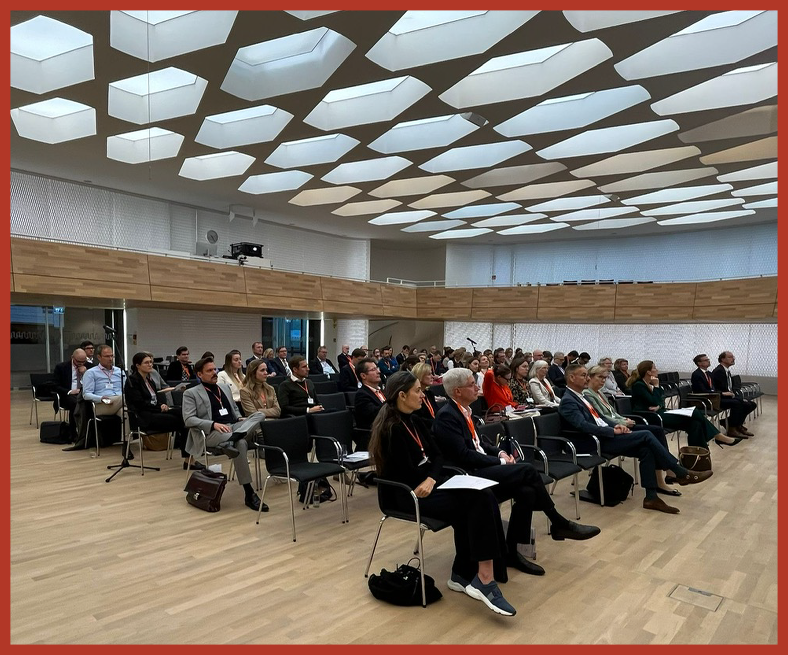 Andreas Lubberger, a member of the MARQUES Famous and Well-Known Marks Team, provides a full report on the recent Judges Meeting in Munich
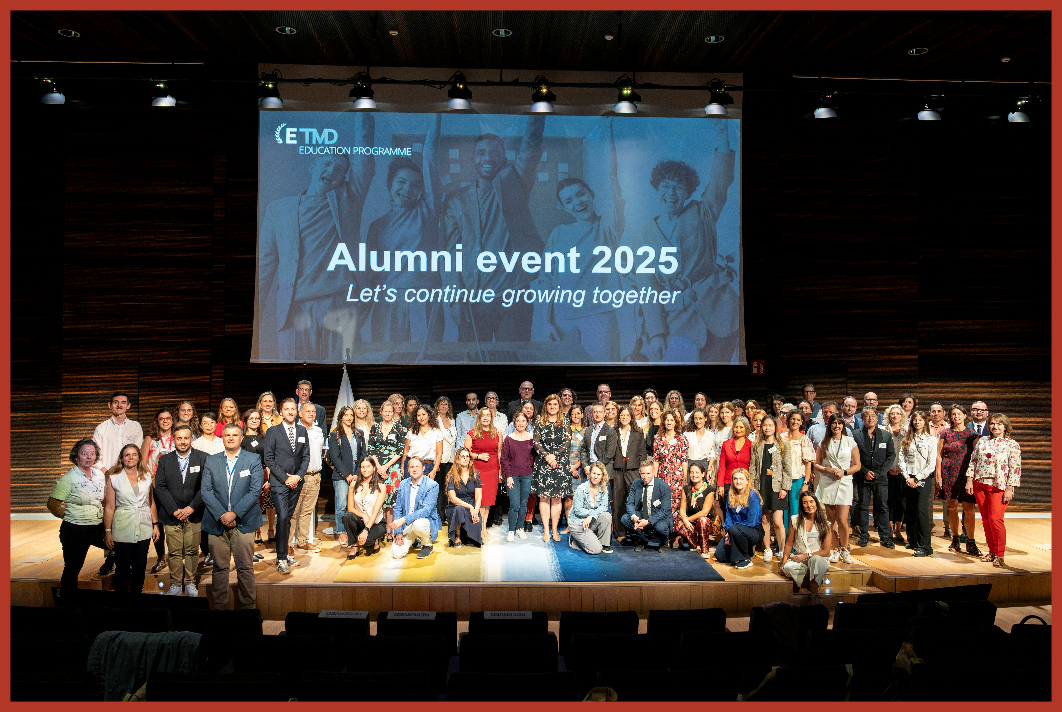 José Amorim, Sandra Müller and Charlotte Duly of the MARQUES Education Team could not be more delighted to have attended the very first alumni reunion of the European Trade Mark and Design Education Programme (ETMD EP) in Alicante on 24 October 2025
 The MARQUES Brands and Marketing Team has published a set of guidelines for companies on the use of fluid trade marks
 The expiration of the three-year non-use period following international brand owners' exit from the Russian market has emboldened certain bad-faith actors. These entities are increasingly filing cancellation actions based on non-use while simultaneously attempting to register confusingly similar marks
 EUIPO has recently announced a new functionality on eSearch Plus, the opening of the Copyright Knowledge Centre, the launch of Early TM Screening and the details of next year’s DesignEuropa Awards
 WIPO has published important information on the 13th edition of the Nice Classification and a new report on trust in IP
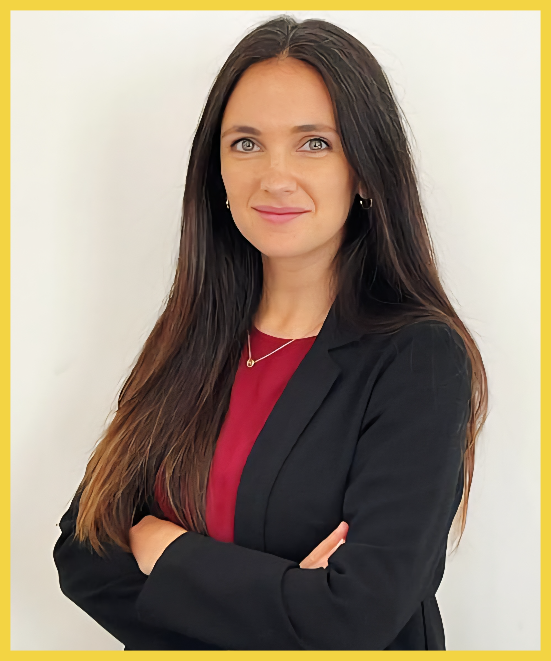 The MARQUES Education Team has published an interview with Sara De Toledo about her experience of attending the MARQUES Annual Conference for the first time
 Read the MARQUES blogs for the latest trade mark news and analysis from MARQUES Teams. Recent posts include: