EU trade marks
 Case T-210/22: The Court upheld a Board of Appeal finding that the figurative EUTM application, filed by Procter & Gamble, was descriptive for "bleaching preparations and other substances for laundry use; cleaning preparations; polishing preparations; scouring preparations; abrasive preparations; soaps; deodorants for personal use; antiperspirants; non-medicated body care preparations; cosmetic preparations for body care; hand care preparations; body wash; body lotion; shower and bath gel; bath foam; body spray" in class 3. It said the Board correctly found that the figurative elements brought together within a 2D shape had a background function, highlighting the word element 'safeguard' and accentuating the descriptive message conveyed by that word element. Moreover, the figurative elements of the sign were decorative in nature.
 Case T-549/22: The Court upheld a finding of likelihood of confusion between an International Registration designating the EU for PROLACTAL and the earlier Spanish mark pictured, which was registered for identical/similar goods in classes 5, 29, 30, 31 and 32. The Court said the trade mark applicant had not succeeded in proving the peaceful coexistence of earlier marks in Spain.
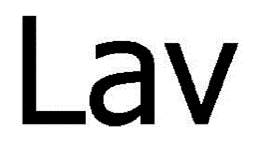
Case T-473/22: The Court upheld a finding of likelihood of confusion between an EUTM application for LAAVA (figurative) and earlier figurative marks LAV and Lav for identical goods in class 21. It said that "given that the earlier marks are short signs consisting of three letters each, which can actually be visualised in their entirety at a glance, the Board of Appeal was right in finding that the relevant public immediately identified the differences between those signs and the mark applied for".
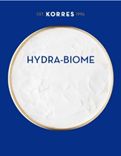 Case T-328/22: In this case, the Court overturned the Board of Appeal finding, saying there was no likelihood of confusion between the figurative application shown and an earlier French mark for HYDRABIO for identical goods. The Court said: "in addition to the non-negligible impact of the addition of the letters 'm' and 'e' within the element 'hydra-biome' of the mark applied for, the marks at issue share only a weakly distinctive sequence which ... will have a merely limited impact on the global assessment of the likelihood of confusion. Moreover, having regard to the similarity between those marks which is lower than average visually, average or high phonetically, and low conceptually, their degree of global similarity cannot be high in the light of the weak distinctive character of the earlier mark and cannot therefore lead to a likelihood of confusion."
 | 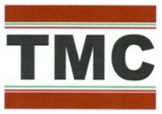 |
Cases T-163/22 and T-167/22: In two cases, the Court upheld findings of likelihood of confusion concerning word and figurative applications for TMC TRANSFORMERS and the earlier mark shown for identical/very similar goods in class 9. The relevant public was a professional public with a high/above average level of attention.
 Case T-576/22: In a case concerning an EUTM application for TRUE SKIN and the earlier mark shown for identical goods in class 3, the Court reversed the Board, finding that the signs were conceptually different - but this finding did not counteract the overall similarity between the signs. The goods were "Decorative cosmetics; high lighter; bronzing powders; face powder; rouges; make-up preparations; concealers; make-up bases; make up foundations; skin foundation; cosmetic primers" and the Board focused on the Spanish speaking public that did not understand English.
Registered Community designs
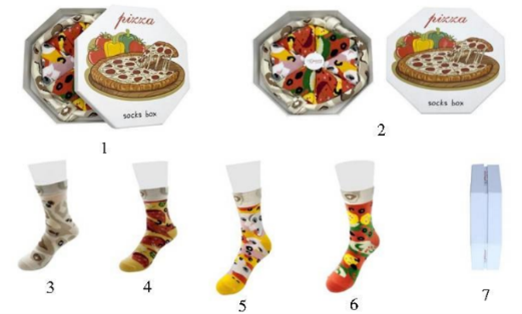 Case T-492/22: A registered Community design for a pizza-shaped box of socks was novel over earlier similar designs, due to differences in patterns, colours and the shape of the box. Upholding the Board of Appeal decision, the Court noted that the finding was based on Article 5 (novelty) and not Article 6 (lack of individual character). The judgment is in French and Polish.
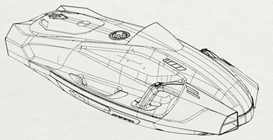 Case T-377/22: The Court upheld a finding that the RCD pictured for "sea scooter; motorboats" was valid and had individual character due to significant differences from earlier designs: "an informed user, who demonstrates a relatively high level of attention, will immediately notice these significant differences, which will outweigh the commonalities between the models in conflict, also taking into account that some of these differences affect not only the appearance of the products, but also their comfort, such as the shape of the torso support area."
 Issue 153

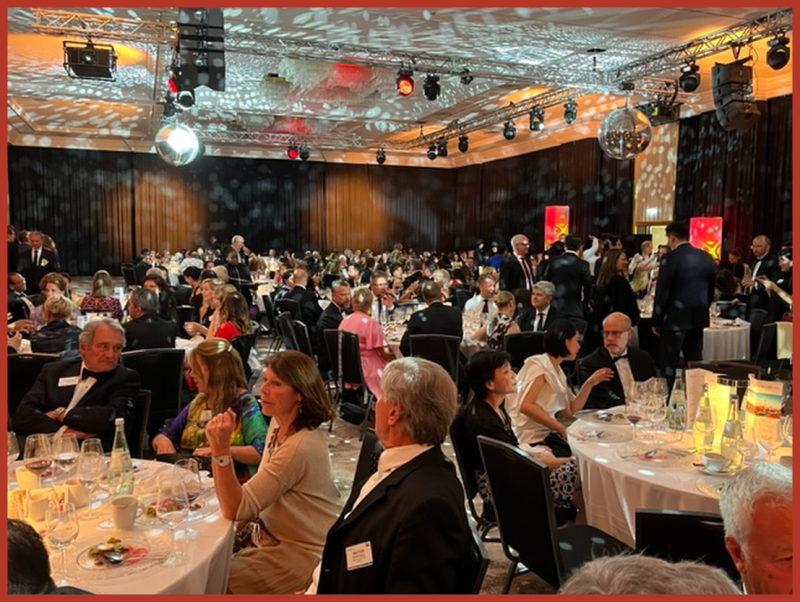 More than 950 people attended the 37th MARQUES Annual Conference in Berlin from 19th to 22nd September
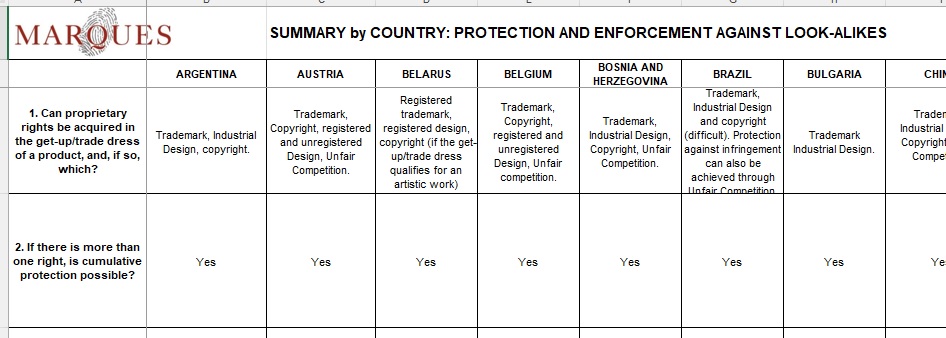 The MARQUES Unfair Competition Team has published the 2023 edition of the
 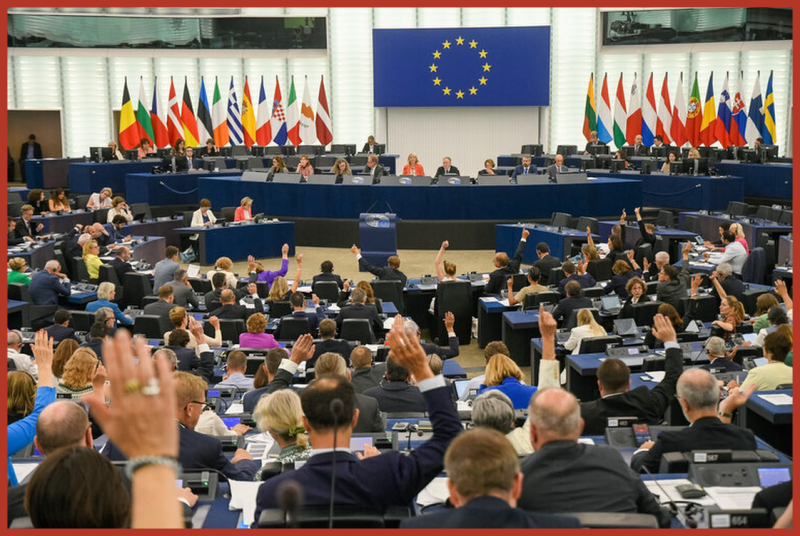 On 12 September, the European Parliament
  The Council of the EU adopted its position on the proposed recast Directive on the legal protection of designs and its position on the proposed amended Regulation on community designs on 25 September
 The EUIPO has announced the winners of the DesignEuropa Awards, as well as an online piracy study and a webinar series on designs
 Recent news from WIPO includes a new awareness survey, the Global Innovation Index and an in-person seminar on the Madrid System in Geneva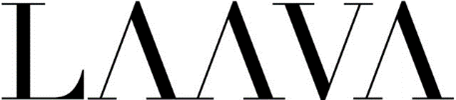

 The MARQUES blogs include reports on all the plenary sessions from the Annual Conference in Berlin as well as much more!