
CLASS 99
The blog for design law, in Europe and worldwide. This weblog is written by a team of design experts and fans. To contribute, or join us, or for any other reason, email class99@marques.org.
Want to receive Class 99 by email?
Click here subscribe for free.
Click here subscribe for free.
Who we all are...
TUESDAY, 27 AUGUST 2013
BeoVision(ary) ruling in The Hague
On 13 August 2013, the court of appeal in The Hague handed down a judgment in a case between Bang & Olufsen A/S and Loewe Opta Nederland B.V., Loewe Opta GmbH and Loewe AG, concerning the design of B&O's Beovision 10 television. A report of the case in first instance -- together with relevant illustrations -- can be found here. The judgment includes a number of interesting design law aspects, which are discussed below.
The images to be taken into account and the most important views of the design in question
B&O claimed that it had asserted only the front of its design, and that the PI judge was wrong to compare the Loewe television to all representations of the design in question. B&O's argument was put forward to no avail. According to the court of appeal, it is the applicants responsibility to decide which elements of the design it wants to protect and this implies that the applicant needs to include at least one representation. If the applicant however chooses to include more than one representation in its design application, the principle of legal certainty does not allow the right-holder to subsequently assert only one or only a few of the representations in legal proceedings.
The court of appeal ruled similarly in its Samsung/Apple judgment, where it held that the high level of attention of the informed user implies that all representations in the design must be compared to the alleged infringing product.
Functionality of documents from the design corpus
Loewe had submitted various earlier designs in support of its argument that the B&O design had a narrow scope of protection in light of the design corpus. In reply, B&O argued that the rectangular televisions having a screen with a ratio of 4:3 or rear projection technology could not be taken into account, since their design was solely dictated by technical function.
The court of appeal considered that the rectangular shape of televisions with a 4:3 ratio was not solely dictated by technical function. Then, the court of appeal noted that the application of the rule that elements solely dictated by technical function could not be protected by a design should not be extended to the question which documents from the design corpus could be taken into account. According to the court of appeal, the only relevant determination is whether the documents from the design corpus could have become known to the informed user [note: this should probably be the circles specialised in the sector concerned, see article 7 CDR]. The design corpus can thus just as well include designs having features which are solely dictated by technical function.
No infringement
The court of apppeal found that the features which differentiate the RCD from the design corpus were not present in the Loewe television. Therefore, none of the grounds of appeal put forward by B&O was sufficient to find that the Loewe television created the same overall impression on the informed user as the B&O RCD. B&O's copyright claims were also dismissed.
Posted by Jeremy for Hidde Koenraad and Laurens Kamp Posted by: Blog Administrator @ 17.15
Tags: copyright infringement, cross-border jurisdiction, design infringement, interim injunctive relief, netherlands,
Perm-A-Link: https://www.marques.org/blogs/class99?XID=BHA478
BeoVision(ary) ruling in The Hague
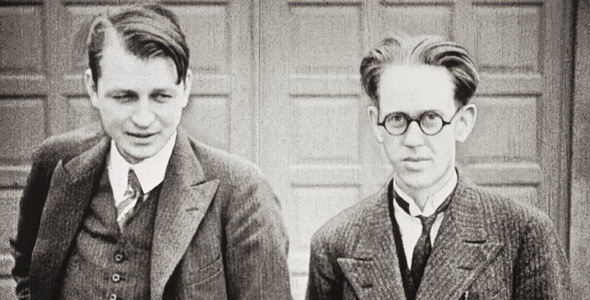 |
| The original BeoVisionaries |
The images to be taken into account and the most important views of the design in question
B&O claimed that it had asserted only the front of its design, and that the PI judge was wrong to compare the Loewe television to all representations of the design in question. B&O's argument was put forward to no avail. According to the court of appeal, it is the applicants responsibility to decide which elements of the design it wants to protect and this implies that the applicant needs to include at least one representation. If the applicant however chooses to include more than one representation in its design application, the principle of legal certainty does not allow the right-holder to subsequently assert only one or only a few of the representations in legal proceedings.
The court of appeal ruled similarly in its Samsung/Apple judgment, where it held that the high level of attention of the informed user implies that all representations in the design must be compared to the alleged infringing product.
Functionality of documents from the design corpus
Loewe had submitted various earlier designs in support of its argument that the B&O design had a narrow scope of protection in light of the design corpus. In reply, B&O argued that the rectangular televisions having a screen with a ratio of 4:3 or rear projection technology could not be taken into account, since their design was solely dictated by technical function.
The court of appeal considered that the rectangular shape of televisions with a 4:3 ratio was not solely dictated by technical function. Then, the court of appeal noted that the application of the rule that elements solely dictated by technical function could not be protected by a design should not be extended to the question which documents from the design corpus could be taken into account. According to the court of appeal, the only relevant determination is whether the documents from the design corpus could have become known to the informed user [note: this should probably be the circles specialised in the sector concerned, see article 7 CDR]. The design corpus can thus just as well include designs having features which are solely dictated by technical function.
No infringement
The court of apppeal found that the features which differentiate the RCD from the design corpus were not present in the Loewe television. Therefore, none of the grounds of appeal put forward by B&O was sufficient to find that the Loewe television created the same overall impression on the informed user as the B&O RCD. B&O's copyright claims were also dismissed.
Posted by Jeremy for Hidde Koenraad and Laurens Kamp Posted by: Blog Administrator @ 17.15
Tags: copyright infringement, cross-border jurisdiction, design infringement, interim injunctive relief, netherlands,
Perm-A-Link: https://www.marques.org/blogs/class99?XID=BHA478
MARQUES does not guarantee the accuracy of the information in this blog. The views are those of the individual contributors and do not necessarily reflect those of MARQUES. Seek professional advice before action on any information included here.
The Class 99 Archive

