
CLASS 99
The blog for design law, in Europe and worldwide. This weblog is written by a team of design experts and fans. To contribute, or join us, or for any other reason, email class99@marques.org.
Want to receive Class 99 by email?
Click here subscribe for free.
Click here subscribe for free.
Who we all are...
MONDAY, 30 APRIL 2012
URDS and CURDS? No way!
 Earlier this month, in Bruhn Newtech Ltd v Datanetex Ltd and Lashbrook [2012] EWPCC 17, the Patents County Court (England and Wales -- with John Baldwin QC presiding as deputy judge) refused Bruhn Newtech's request for a declaration of ownership in respect of UK and Community unregistered designs for the 'Hazkey' (right), a device which was "useful in the field of predicting hazards". At paragraph 2 the deputy judge noted:
To be on the safe side, the judge considered and then rejected the request for a declaration, which was based on contracts with the defendant for the commissioning of designs. He also rejected the argument that there was a commission in equity which was a sufficient basis on which the court could grant a declaration in relation to any designs made by the defendant before the commission and in relation to any Community design right. According to the court, the burden of establishing that a product was designed and made under the terms a commission was on the party asserting a that such a commission existed: the mere fact that a product had to be designed before it could be made was not sufficient evidence to satisfy that burden. Posted by: Blog Administrator @ 18.41
Tags: commission, declaration of ownership, unregistered design right,
Perm-A-Link: https://www.marques.org/blogs/class99?XID=BHA332
URDS and CURDS? No way!
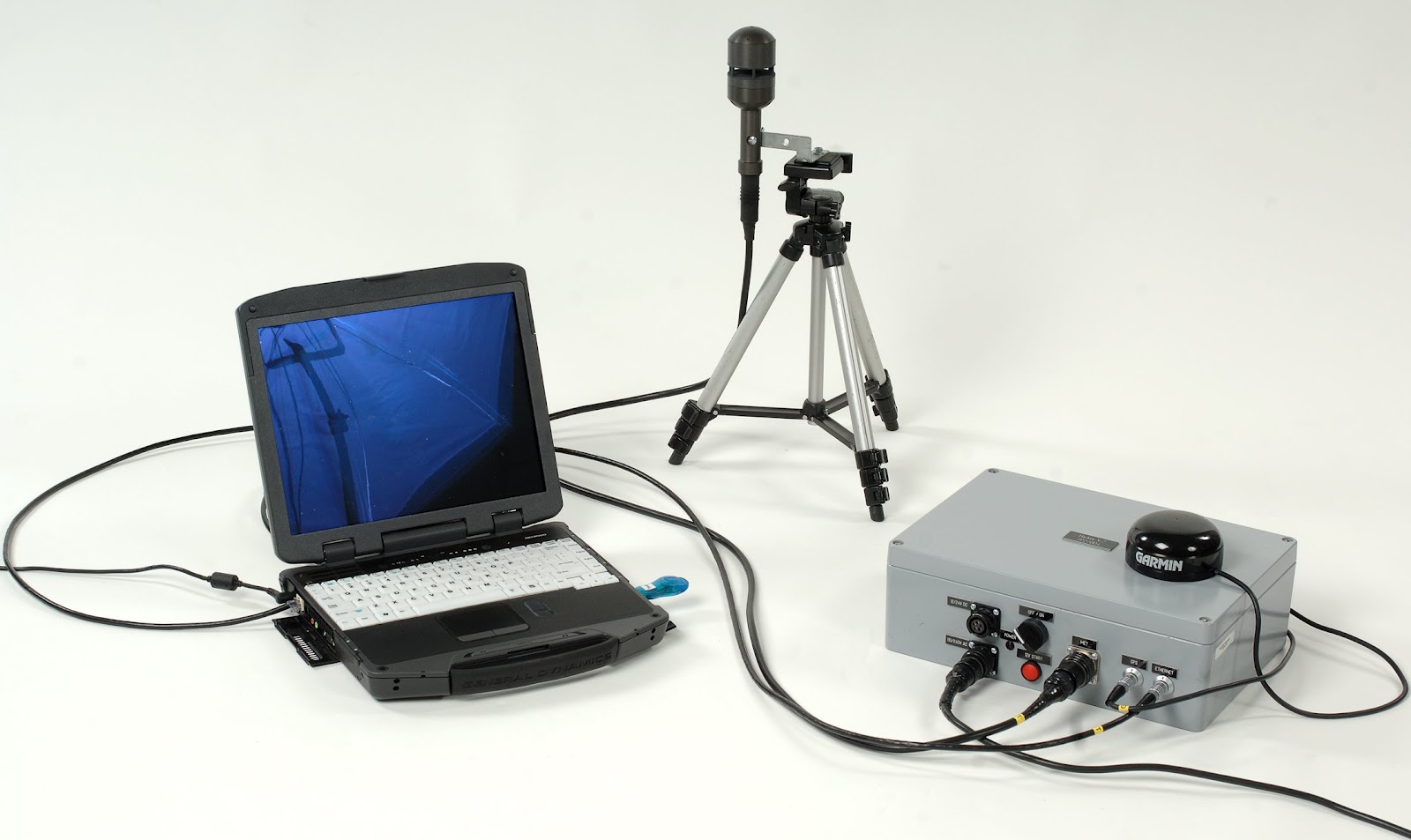
An unusual feature of the claim is that the Claimant does not set out to establish that there are any URD rights or CURD rights in relation to any of the various versions of the device in suit, nor does it attempt to identify any designs in which rights might subsist and that it claims to own. Its position is that, if there are any URD rights or CURD rights in any aspects of these devices, they belong to the Claimant.The court's view was that there was not apparently any case law on whether it was appropriate to grant declarations of ownership in such situations; indeed, it would be dangerous to do so because of the risk that a third party, seeing the declaration, might be led to believe that such rights did subsist and alter its economic behaviour accordingly.
To be on the safe side, the judge considered and then rejected the request for a declaration, which was based on contracts with the defendant for the commissioning of designs. He also rejected the argument that there was a commission in equity which was a sufficient basis on which the court could grant a declaration in relation to any designs made by the defendant before the commission and in relation to any Community design right. According to the court, the burden of establishing that a product was designed and made under the terms a commission was on the party asserting a that such a commission existed: the mere fact that a product had to be designed before it could be made was not sufficient evidence to satisfy that burden. Posted by: Blog Administrator @ 18.41
Tags: commission, declaration of ownership, unregistered design right,
Perm-A-Link: https://www.marques.org/blogs/class99?XID=BHA332
MARQUES does not guarantee the accuracy of the information in this blog. The views are those of the individual contributors and do not necessarily reflect those of MARQUES. Seek professional advice before action on any information included here.
The Class 99 Archive

